
Sundarban National Park India
Sundarban National Park India is situated in the extreme southern region of West Bengal, India, where the land slowly merges with the waters of the Bay of Bengal. This protected forest forms a part of the famous Sundarban mangrove ecosystem, a vast natural region created by the meeting of several great rivers. The park is surrounded by countless narrow waterways, small islands, and muddy tidal banks that give the area its distinctive character.
The location of the park makes it one of the most unusual wildlife destinations in India because it can only be explored mainly by boat. Visitors usually travel from Kolkata to the gateway villages of the Sundarban and then enter the forest through winding rivers and creeks. Its beautiful setting of green mangroves and calm water channels creates a remarkable landscape that feels completely different from the crowded cities of mainland India.
Exploring the Enchanting Sundarban National Park: A Nature Lover’s Paradise
The Sundarbans, a UNESCO World Heritage Site, is one of the most captivating and ecologically significant regions in the world. Spanning across the delta of the Ganges, Brahmaputra, and Meghna rivers, this sprawling mangrove forest is shared between India and Bangladesh. It’s not just a haven for wildlife but also a testament to nature’s unyielding beauty and resilience.
A Unique Ecosystem
The Sundarbans is home to the largest contiguous mangrove forest on Earth. Its labyrinthine waterways, mudflats, and lush greenery create a unique habitat for an array of flora and fauna. The region is most renowned for being the habitat of the elusive Bengal tiger, but it also supports other species like saltwater crocodiles, spotted deer, wild boars, and an incredible variety of bird species.
One of the most fascinating aspects of the Sundarbans is its ability to thrive in a harsh environment. The mangroves here are specially adapted to survive in saline waters and tidal fluctuations, making them a crucial barrier against coastal erosion and cyclones.
Biodiversity at Its Best
The Sundarbans is a biodiversity hotspot, teeming with life. The forest houses over 260 bird species, including kingfishers, herons, and the rare masked finfoot. Aquatic life is equally vibrant, with dolphins, mudskippers, and a myriad of fish species populating the waterways.
For plant enthusiasts, the Sundarbans offers a glimpse into a specialized world of mangrove vegetation, with species like Sundari (from which the forest gets its name), Goran, and Gewa dominating the landscape.
The Bengal Tiger: Icon of the Sundarban
The Royal Bengal Tiger is undoubtedly the crown jewel of the Sundarbans. Known for their swimming prowess, these tigers have adapted uniquely to their environment, often crossing rivers in search of prey. However, spotting one in the wild is a rare and thrilling experience, as these majestic creatures are masters of camouflage.
Experiencing the Sundarban
A visit to the Sundarbans is an adventure like no other. The best way to explore this wilderness is by boat, gliding through the serene waterways surrounded by dense mangroves. Eco-tourism initiatives have made it easier for visitors to experience the beauty of the Sundarbans while ensuring minimal environmental impact.
For those looking to visit, winter (November to February) is the ideal time, offering pleasant weather and better chances of wildlife sightings. Key entry points in India include Gosaba and Sonakhali in West Bengal, while Bangladesh offers access through Khulna.
Challenges and Conservation
Despite its grandeur, the Sundarbans faces numerous threats, including climate change, rising sea levels, and illegal poaching. Conservation efforts are underway to protect this fragile ecosystem, with initiatives focusing on habitat restoration, anti-poaching measures, and community involvement.
Organizations and governments on both sides of the border are working tirelessly to ensure that the Sundarbans remains a sanctuary for future generations. The mangroves also play a pivotal role in carbon sequestration, emphasizing their importance in combating global warming.
Final Thoughts
The Sundarbans is more than just a forest; it’s a living, breathing entity that showcases the intricate balance of nature. Whether you’re a wildlife enthusiast, a nature lover, or simply seeking solace away from the urban chaos, the Sundarbans offers an experience that’s both humbling and exhilarating.
As we marvel at its beauty, let’s also pledge to protect this unparalleled treasure trove of biodiversity. The Sundarbans is not just a regional or national heritage—it’s a global legacy that deserves our utmost care and respect.

Why Do People Use Boats in the Sundarban National Park India?
Boat travel is one of the most important parts of a Sundarban visit because the forest is surrounded by rivers, creeks, and tidal waterways. Unlike other national parks where people explore by jeep or on foot, the Sundarban can only be experienced properly from the water. Boats allow visitors to move safely through the narrow channels while enjoying the natural beauty of the mangrove forest from a peaceful distance.
A boat journey also increases the chance of seeing wildlife in its natural environment. Animals such as spotted deer, crocodiles, kingfishers, and even the famous Royal Bengal Tiger are sometimes seen near the riverbanks. Since many parts of the forest are inaccessible by land, boats become the only way to reach watchtowers and remote areas inside the park. This makes the boat not just a mode of transport, but an essential part of the entire Sundarban travel experience.
Boats are used inside the Sundarban because the entire forest is covered with rivers, tidal creeks, and narrow water channels. Many parts of the forest cannot be reached by road, so boats become the only practical way to travel from one place to another. They help visitors explore the mangrove forest safely while allowing them to enjoy the scenic beauty of the waterways. Boats also make it possible to reach watchtowers and remote areas where wildlife can often be seen in their natural surroundings.
Sundarban Jungle Safari by Boat
Experience: The safari is conducted via boat, taking visitors deep into the forest along different routes. The duration is approximately seven hours, accompanied by an official guide who provides detailed information about the Sundarbans.
Package Details: A typical 1 Night/2 | 2 nights 3 Days tour includes:
Comfortable accommodations with modern facilities.
Locally prepared, mildly spiced food.
Boats powered by 4- or 6-cylinder engines, equipped with life jackets, a second bathroom, and 5 beds.
Evening entertainment featuring tribal dances performed by local women.
Tips for Sundarban tour package
Best Time: Early mornings and late afternoons maximize wildlife sightings.
Permits: Ensure you have the required permissions for entry.
What to Bring: Binoculars, cameras, water bottles, and sturdy footwear.
Guides: Local guides are essential for a safe and enriching experience.
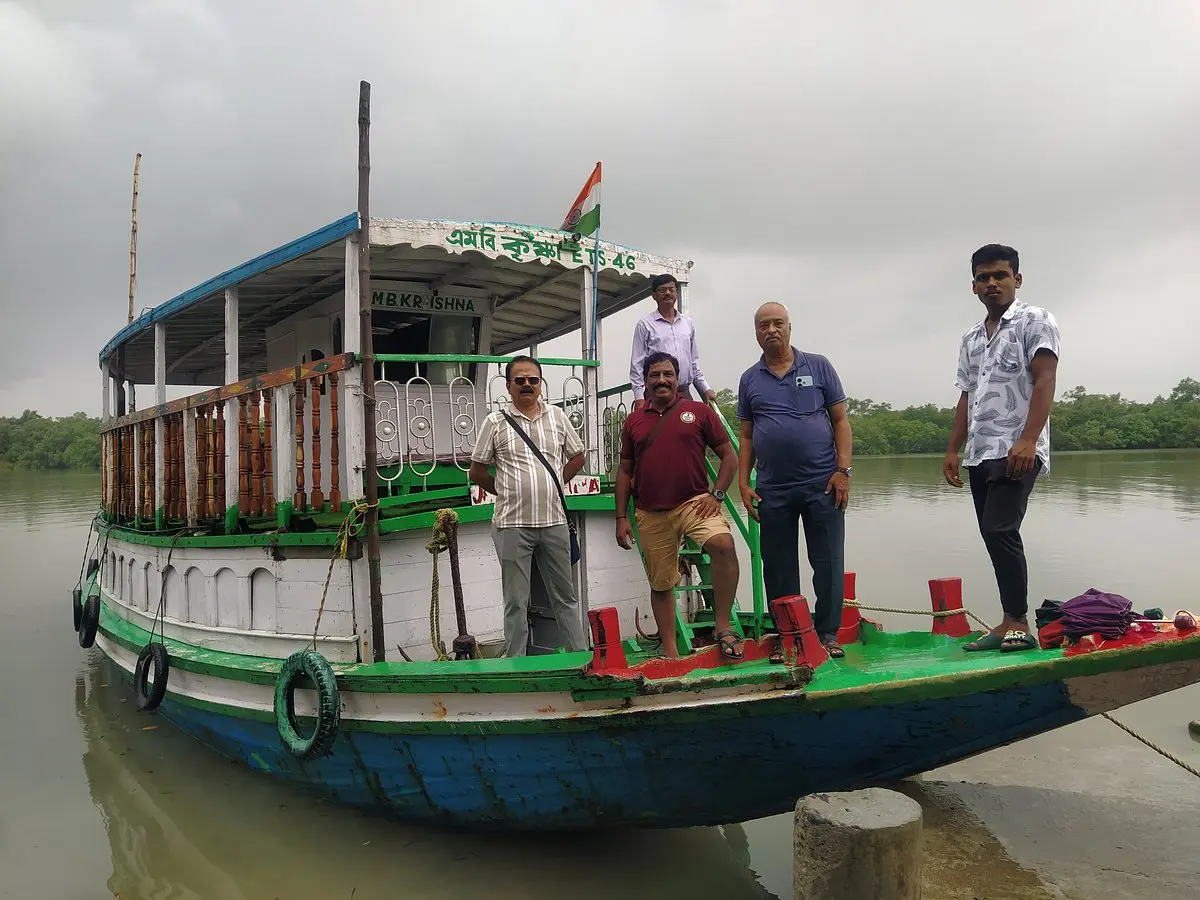
Sundarban National Park India
Sundarban Eco Tourism is a popular activity in the Sundarbans, the world’s largest mangrove forest and a UNESCO World Heritage Site. Located in the delta region of the Ganges, Brahmaputra, and Meghna rivers, it spans parts of India (West Bengal) and Bangladesh. The Sundarbans is famous for its biodiversity, particularly its population of Royal Bengal Tigers, estuarine crocodiles, and unique flora and fauna.
Highlights of Sundarban Eco Tourism:
1. Sundarban Wildlife Safaris:
Boat Safaris: Explore the waterways to spot tigers, crocodiles, deer, and a variety of bird species.
Canopy Walks: Elevated platforms allow visitors to observe wildlife in the forest without disturbing them.
Sundarban tour Package offer: A- Core and Buffer zone Watch Tower. B- Only Buffer zone watch tower.
2. Sundarban Birdwatching:
A haven for bird enthusiasts, the Sundarbans hosts species like herons, kingfishers, and storks.
3. Cultural Experiences:
Interact with local communities to learn about their sustainable practices and traditional lifestyle.
4. Sundarban Eco-Friendly Accommodations:
Resorts and lodges follow sustainable practices, often powered by solar energy, using eco-friendly materials.
5. Educational Programs:
Guided tours and nature walks led by local experts focus on conservation awareness.
6. Sundarban tour Seasonal Attractions:
Winter (November to February): Best time for safaris and birdwatching.
Monsoon (June to September): Witness lush greenery and the river in its full glory (though safaris might be limited).
Tips for Sundarban Eco Tourism in the Sundarbans:
Respect the environment: Avoid littering and use biodegradable products.
Follow guidelines: Adhere to safety protocols, especially during tiger-spotting tours.
Choose eco-certified operators: Ensure your travel choices support local conservation.

Sundarban National Park India Buffer Zone Watch Tower
Sajnekhali: Features a Mangrove Interpretation Centre, turtle and crocodile ponds, a watch tower, and a sweet water pond.
Sudhanyakhali: Includes a Mangrove Park, sweet water pond, and watch tower with observation lines, offering an excellent vantage point for wildlife spotting.
Dobanki: Famous for its canopy walk, a netted aerial pathway that provides an elevated view of the forest. It culminates in a watch tower.
Burirdabri: Known for its cage trail and mud walk, offering a unique experience of walking on the forest floor and observing ground fauna. The trail ends at a watch tower overlooking Bangladesh with the Raimongal River forming the boundary.
Jhingekhali: Equipped with observation lines and a sweet water pond, ideal for wildlife observation.
Core Zone Watch Towers for visitors-
Netidhopani: Offers a glimpse of the ruins of a 400-year-old temple along with a watch tower. It’s a prime spot for spotting the Royal Bengal Tiger, spotted deer, various birds, and other animals. Best visited in the early morning or late afternoon to avoid the midday heat.
Harikhali: Located in the eastern part of Sundarbans, this site is home to deer, fishing cats, monitor lizards, snakes, and a variety of birds. The surrounding area also features mangrove trees, estuarine crocodiles, and dolphins. The Harinbhanga region nearby offers an offbeat adventure tour with long boat drives in the delta.
South Division Watch Towers for visitors-
Bonnie Camp: Known for its tranquil setting and excellent opportunities for birdwatching.
Kalas Camp: A remote location offering an immersive experience of the mangrove ecosystem, ideal for adventure and solitude.
Highlights of the Sundarban Watch Towers
Core Zone
Netidhopani Watch Tower: Historical ruins of a 400-year-old temple.Frequent sightings of the Royal Bengal Tiger. Spotted deer, birds, and other wildlife.
Harikhali Watch Tower: Diverse wildlife, including deer, fishing cats, and reptiles. Opportunities for dolphin sightings and vibrant birdlife.Offbeat tours through the delta area.
Buffer Zone
Sajnekhali Watch Tower: Educational and recreational attractions. Interpretation Centre, turtle and crocodile ponds, and sweet water pond.
Sudhanyakhali Watch Tower: Well-structured observation lines. Regular sightings of wildlife near the sweet water pond.
Dobanki Canopy Walk: Elevated walkway offering panoramic forest views. Ends at a watch tower with vast mangrove forest vistas.
Burirdabri Watch Tower: Unique mud walk to observe ground fauna. Overlooks Bangladesh and the Raimongal River boundary.
Jhingekhali Watch Tower: Suitable for spotting wildlife and enjoying serene natural surroundings.
Tips for watch tower Visiting:
Best Time: Early mornings and late afternoons maximize wildlife sightings. Permits: Ensure you have the required permissions for entry.What to Bring: Binoculars, cameras, water bottles, and sturdy footwear. Guides: Local guides are essential for a safe and enriching experience.

The Mammals of Sundarban National Park India
The Sundarbans, a UNESCO World Heritage site, is home to a fascinating range of mammals adapted to its unique tidal ecosystem. The most iconic is the Royal Bengal Tiger, known for its swimming skills and elusive nature. Alongside it, spotted deer, wild boars, and rhesus macaques roam the forest floor, while otters glide through the mangrove creeks. Fishing cats, jungle cats, and small Indian civets thrive in the undergrowth, relying on stealth and agility. These mammals play a vital role in the balance of the Sundarbans, making the region a living laboratory of biodiversity and survival. We try to show it to the tourists during Sundarban eco tourism.

Frequently Asked Questions
- Sundarban Tour Package
- Sundarban Tour Plan
- Sundarban Tour package cost
- Contct us by Email or Phone call or WhatsApp
Q: What’s the best way to experience Sundarban Forest?
- A: The best ways to experience Sundarban forest are:
- 3 Days Sundarban – 3 Days Sundarban Tour with 2 safari. 4 days Photography tour – 4 safari
Q How much does a trip to Sundarban cost?
- 2 Night 3 days Rs 5500 from Kolkata non ac standard package
- 2 nights 3 days Rs 7500 from Kolkata AC standard package
Q: Which month is best for Sundarban?
- September to March are the best months to plan Sundarban.
- Winters- Best time visit to Sundarban.
- Summer – very hot and humid in this region.
- Tourists have been coming to Sundarbans all year round for the past few years.
Q: How many days is enough for the Sundarban tour?
- General tourist – 2 nights 3 days minimum
- Photography – 3 nights 4 days minimum
- Core and buffer zone- 3 nights 4 days.
Q: How to plan a Sundarban trip from Kolkata?
- It is best if you travel to Sundarbans by booking a trip through a travel agency.
Q: Is 1 day enough for Sundarban?
- One day is not enough to visit the Sundarbans, at least 3 days
Q: How many watch towers are in Sundarban?
- Core zone – 2 watch towers Nedidhopani and Harikhali
- Buffer zone – 4 watch towers Barir dabrir Jhigekhali Sajnekhali Sudhyanakhali Dobanki
- South division- Bonnie camp and Kalas camp.
Q: What do you need to carry during the Sundarban trip?
- ID card Passport and visa general medicine, Binoculars warm clothes

Visitor Information Sundarban National Park India:
Sundarban National Park information
Open For Tourists: January to December
Best time to visit for birds Finding: – August to January
Best time to visit for tiger: – August to February
Forest entry Time – 7 am to 4 pm.
Weekly close: Sundarban Nation Park for tourist:
Tuesday
Sundarban torist information – Entry Formalities:
One can get a permit from online before visiting the Sanctuary by boat.
Requirements For Indians:
- Photocopy of any photo Id is a must. Tourists must, however, carry the originals also.
- Indians are charged Rs.120 (can be revised by Forest Department any time) for entry by boat.
- Camera fee is additional to this. Still & Digital cameras are charged no charges.
- Video Camera is chargeable.
- These charges can, however, be revised by Forest Department any time.
- Requirements For Foreign Nationals:
- A copy of passport, visa and photocopy and original.
- Originals of the documents need to be shown at the time of taking permit.
- These are the charges collected directly by the Forest Department at the time of entry and can be revised any time.
Visitors information Sundarban Forest Entry Charges-
Boat safari fee @ Rs.1000 per day.
Man entry fee Indian @ Rs.00.00 per day. | Foreigner – Rs 00.00 Per Head
Guide charges
Indian Rs.800 per day. | Foreigner – Rs. 2000 Per Day
Safari and jungle entry time 7.00 am. Jungle exit time 4.00 pm.
Sundarban Core Zone Entry fee
Indian
Man Rs -Free | Boat- Rs- Free | Guide – Rs 1200
Foreigner
Man – Rs -free | boat- Rs- free | Guide- Rs 2000
ID – Must be carry.

Visitor Sundarban National Park India
Sundarban tourist guide line
Sundarban is the largest mangrove forest in the world and a haven for nature lovers and wildlife enthusiasts. Known for its unique ecosystem and the majestic Royal Bengal Tiger, the Sundarban offers a mix of adventure and tranquility. Sundarban tourist guide line help you manage the trip plan.
How to Reach Sundarban from Kolkata
- 1. By Air:
The nearest airport is Netaji Subhas Chandra Bose International Airport in Kolkata, approximately 100 km away.
-From the airport, you can hire a taxi or take a bus to reach Godkhali, the gateway to Sundarban. 2. By Train:
The nearest railway station is Canning, well-connected from Kolkata.
– From Canning, local transport like buses or shared vehicles will take you to Godkhali.3. By Road:
Drive from Kolkata to Godkhali via Basanti Highway. The journey takes around 3-4 hours.
Private and state transport buses also operate on this route.- 4. By Water:
From Godkhali, you can hire a boat to explore Sundarban.
Best Time to Visit Sundarban:
- Winter (October to March): Ideal weather for wildlife spotting and boat safaris.
Monsoon (June to September): Lush greenery and romantic ambiance, but limited accessibility.
Activities to Enjoy
1. Wildlife Safari:
- Boat safaris through mangrove creeks to spot the Royal Bengal Tiger, estuarine crocodiles, and diverse bird species.
2. Visit Watchtowers:
Sudhanyakhali, Sajnekhali, and Dobanki offer excellent viewpoints.
3. Explore Local Villages:
- Experience the lifestyle of locals living in harmony with nature.
4. Bird Watching:
Ideal for spotting kingfishers, herons, and migratory birds.
Tips for Visitors
- Carry essential items like sunscreen, mosquito repellent, water bottles, and comfortable clothing.
Respect the local culture and wildlife; avoid littering or loud noises. - Follow safety instructions during boat safaris and guided tours.
– Opt for government-approved guides and tours to ensure a safe and informed experience.
Accommodation Options
- Several eco-friendly resorts and lodges are available near Sundarban. Ensure bookings in advance, especially during peak seasons.
- Embark on a journey to Sundarban for an unforgettable experience of nature’s pristine beauty and wildlife wonders.
Sundarban tourist information
Tour package
Do’s & Dont’s
》Always travel with a guide. Vegetation is fragile; follow designated trails.
》Avoid littering and deposit garbage at designated places.
Keep all pollutants away from streams and River.
》Respect local culture by taking permission before taking photographs.
Dress modestly. Be aware of the customs and manners and culture of the local people.
》Don’t disturb wildlife or its habitat.
Not buy endangered species or antiques.
Don’t smoke, drink alcohol or talk loudly near sacred places.
》Don’t pluck plants or flowers.
Sundarban Premium tour package – Terms & Conditions
No refund will be made for any unused accommodation, missed meals, transportation segments, sightseeing tours or any other service. Such unused items are neither refundable nor exchangeable. Room allocation is done by the hotel depending upon availability at the time of check-in in the category of room as specified on your confirmation voucher.
No refund shall be claimed if the services & amenities of the hotel were not up to your expectations. Any cost arising due to natural calamities like, landslides, road blockage, political disturbances (strikes), etc is to be borne by the client, which is directly payable on the spot.
ID CARD
It is mandatory that guests should carry photo proof identity cards –
- such as voter ID Addhar cards only for Indian.
- Forieign citizen photo copy of Pass port and visa with orginal.
Experience the beauty of Sundarbans in just 2 days! Witness mangrove forests.
1 – Sundarban tourist information
2- Visitor information Sundarban
3 – Sundarban tourist guide line
Sundarban National Park India Tour Package

The Ecological Sundarban Core Zone Package is a 2-night, 3-day adventure, offering a mix of leisure and jungle safari. This package takes you on a long boat ride through the deep forest of the Sundarbans, providing an authentic experience for jungle adventure lovers. If you’re looking for a true wilderness adventure, the Sundarban Core Zone explore is the perfect destination.

Sundarban Premium Package
Sundarban Premium Tour Package a UNESCO World Heritage Site, is a magnificent mangrove forest and the habitat of the Royal Bengal Tiger, located in the delta of the Ganges, Brahmaputra, and Meghna rivers on the Bay of Bengal. If you are looking for a premium package to explore the Sundarbans, such packages typically include luxury accommodations, guided tours, delicious meals, and curated experiences. Here’s what a typical Sundarban Premium deluxe Package might offer:

Sundarban packages 1 night 2 days
Escape into the wild beauty of the Sunderbans with our exclusive Sunderban Tour Package 1 Night 2 DaysThe Sundarbans is one of the most unique ecosystems in the world, home to the Royal Bengal Tiger, saltwater crocodiles, and a myriad of wildlife species. This Sundarban package 1 night 2 days offers you an unforgettable adventure into the heart of the mangrove forest.

Sundarban packages 2 nights 3 days
Experience the beauty and tranquility of Sundarban, the largest mangrove forest in the world, with our specially curated Sundarban Package 2 nights 3 Days. Embark on an unforgettable journey through the mystical wilderness, home to the Royal Bengal Tiger, exotic birds, and rich biodiversity.

Sundarban Package Booking Contact Us
Book Your Sondarban Tour Today
Don’t miss your chance to explore the wonders of the Sundarbans. Limited slots available!
📧 Email: triptosundarban@gmail.com
📞 Phone: +91 9831993904/9477655443
Website: www.triptosundarbans.com / www.gobhramanholidays.com
Table of Topic
Toggle